3GPP 23.369 v20.0.0 — the document's own text
5.2.2.2 Read and Write Commands
Taught in 2. What an Ambient IoT system is made of (Ambient IoT — a tag with no battery, quick start), 3. How a tag is actually read, from the request to the answer (Ambient IoT — a tag with no battery, quick start).
It is optional for an AIoT Device to support of Read and Write Commands. If supported, an AIoT Device contains User Memory that can be used to store application specific data and is accessed using AIoT NAS Commands from an AIOTF. An AIoT Device implementation may have other storage outside of the User Memory that is used to store e.g. AIoT Device Permanent Identifier, etc.
The User Memory is accessed by the following AIoT NAS Commands and responses between the AIOTF and AIoT Device:
- Read Request: used to read application data from User Memory.
- Read Response: Response from the AIoT Device to Read Request, providing a status and the application data read from the User Memory.
- Write Request: used to write application data to User Memory.
- Write Response: Response from the AIoT Device to Write Request, providing a status for the Write Request.
The Read Request and Response, and Write Request and Response AIoT NAS Commands are used to access the User Memory when an authorized AF uses the Read or Write command service operations, as described in clause 5.2.2.1. The Read or Write Request is sent in the Command Request step and the Read or Write Response is sent in the Command Response step of the Command procedure described in clause 6.2.3.
The physical memory map of an AIoT Device and where the User Memory is within it is implementation specific.
The AIoT NAS Commands to access the User Memory include an offset from the start of the User Memory to indicate where to read application data from and where to write application data to. The offset and the application data transferred in the Read Request, Write Request, and Read Response has no special meaning to the network, and the AIOTF or other NFs do not attempt to interpret them.
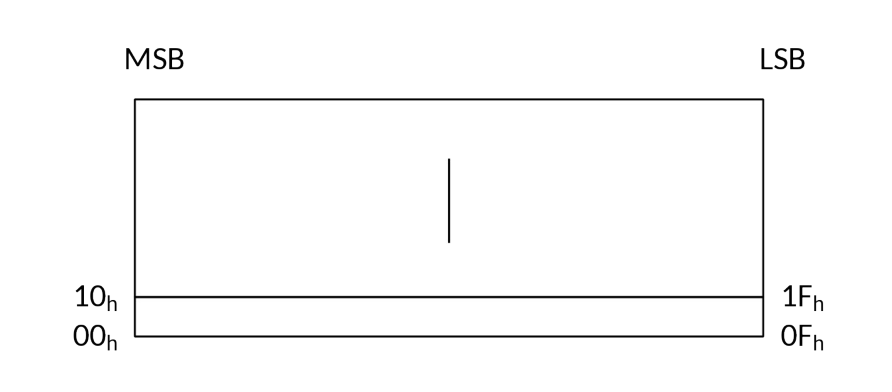
The Write Request command is used to write application data into the User Memory and includes:
- the application data to write and its length; and
- the offset where to write the application data.
The AIoT Device responds with a Write Response indicating whether the Write Request was successful.
The Read command is used to read from the User Memory and includes:
- the offset to read application data from; and
- the length of the application data to read.
The application data is from the User Memory in the place indicated by the offset and the length.
The AIoT Device responds with a Read Response including whether the read was successful and the application data read from the User Memory.
If an AIoT Device does not support Read Request or Write Request commands, or the parameters in the commands are invalid the AIoT Device shall reject the command.